Clear Aligners for Kids

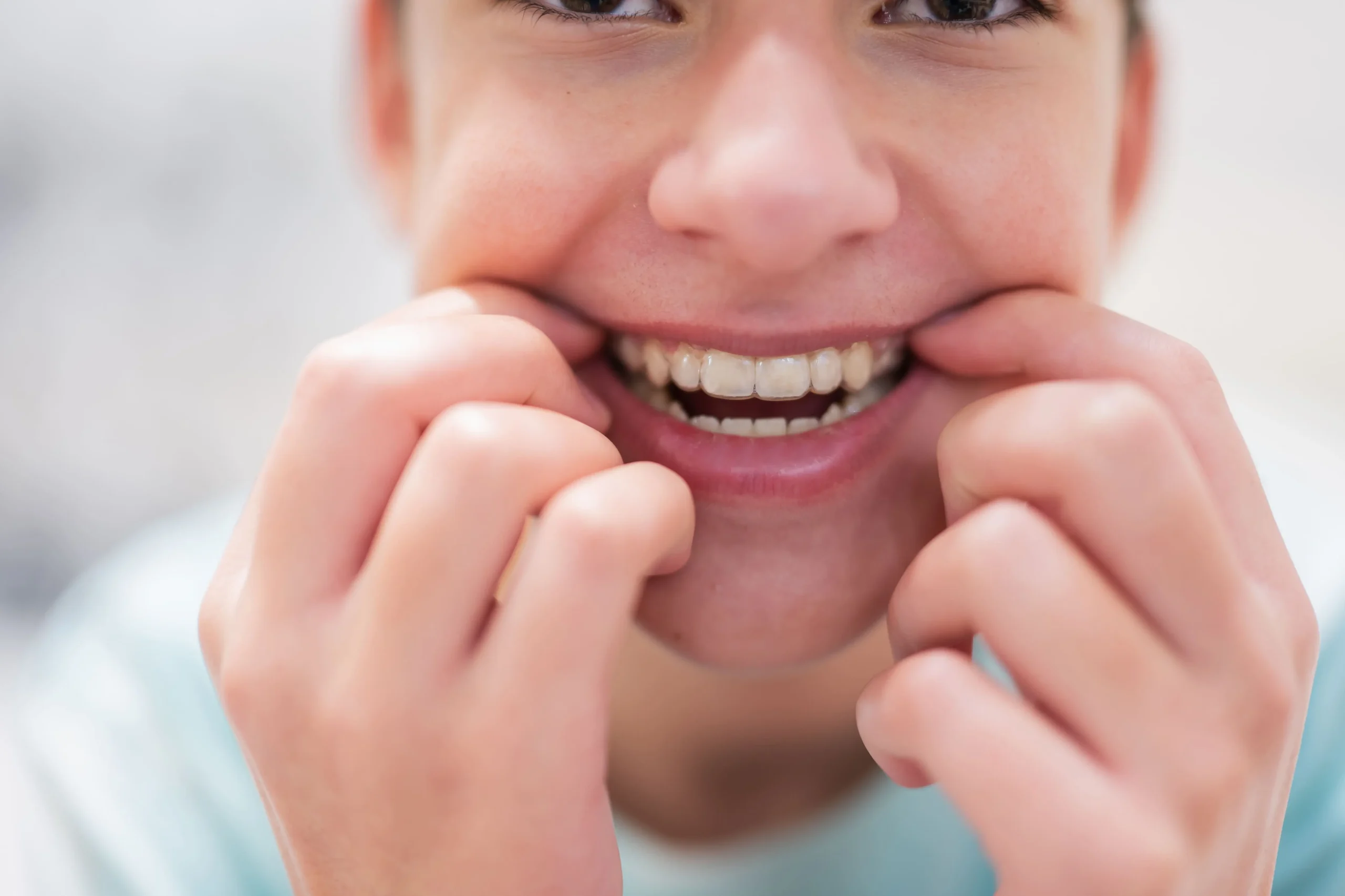
Clear aligners for kids are an orthodontic treatment that uses transparent, removable aligners that are completely custom-made. These aligners fit the shape of the teeth and apply gentle movements to gradually achieve the desired results.

What are clear aligners for kids?

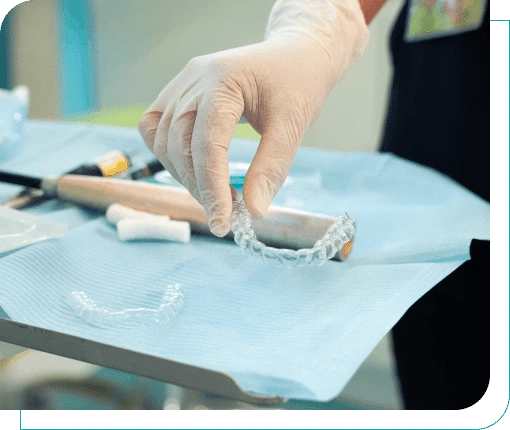
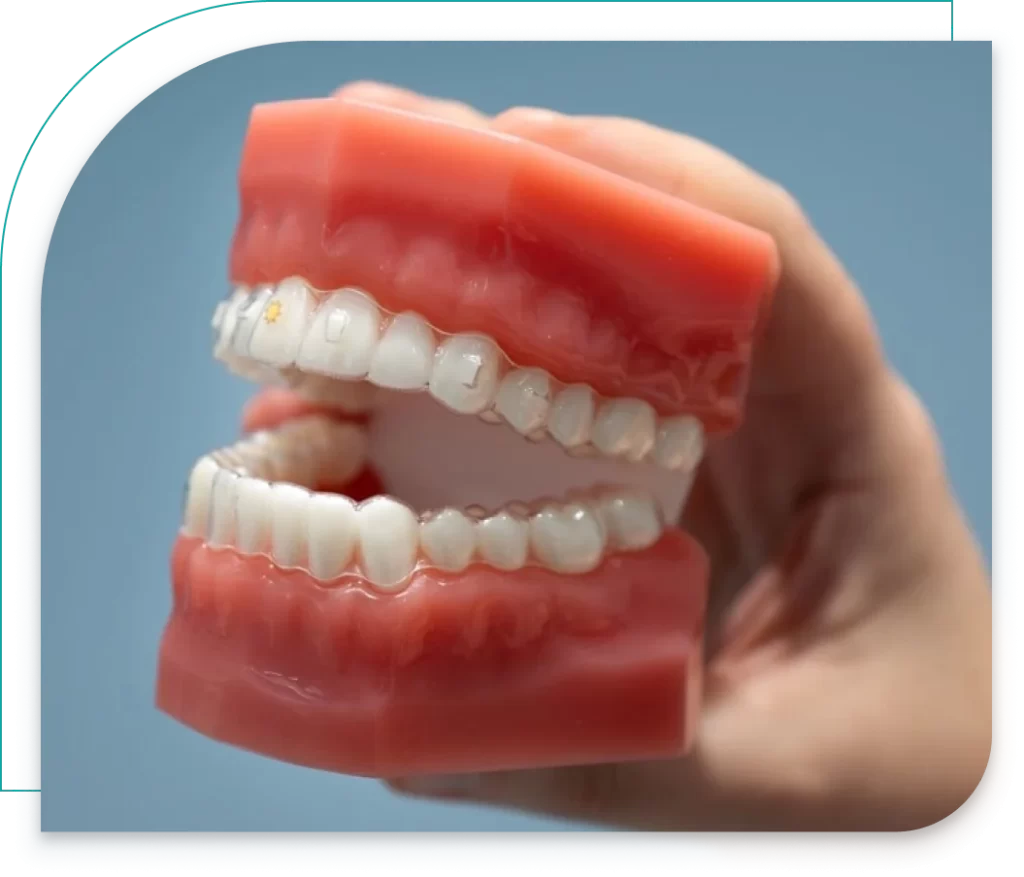
Clear aligners for kids are transparent polyurethane aligners, made from a lightweight and durable material and fully customised to fit each dental arch.


These aligners gradually move the teeth by applying gentle, progressive pressure to straighten them and, in turn, correct most dental malocclusions.

How do clear aligners for kids work?

Clear aligners for kids are a type of orthodontic treatment for children that uses custom-made transparent aligners to correct problems with tooth positioning.


There are several stages involved when starting clear aligner treatment:

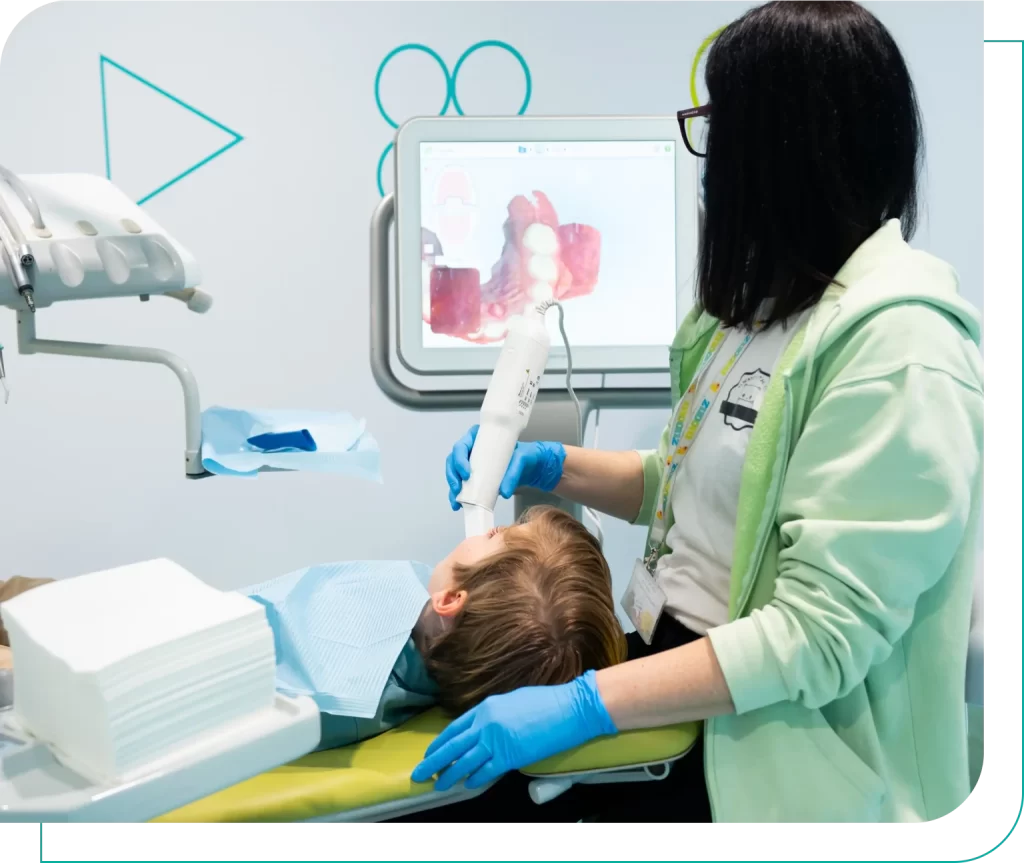
X-rays and an intraoral scanner are used to create a digital record of the dental structures, providing greater precision when planning the treatment.


Once the measurements have been taken, the orthodontist uses software to create a before-and-after simulation and plan the sequence of tooth movements. This also allows the orthodontist to determine how many aligners the child will need to achieve the desired result.

The clear aligners are then manufactured using the records taken. They gradually move the teeth until the correct alignment is achieved.

For the treatment to be effective, the child will need to wear the aligners for at least 22 hours a day and, depending on the individual case, change them every seven, ten or 14 days.


The duration of clear aligner treatment for children depends on each patient, although it generally ranges from 10 to 18 months, depending on the needs of the individual case.

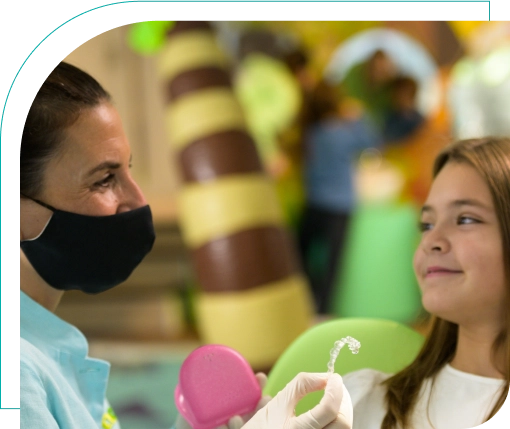
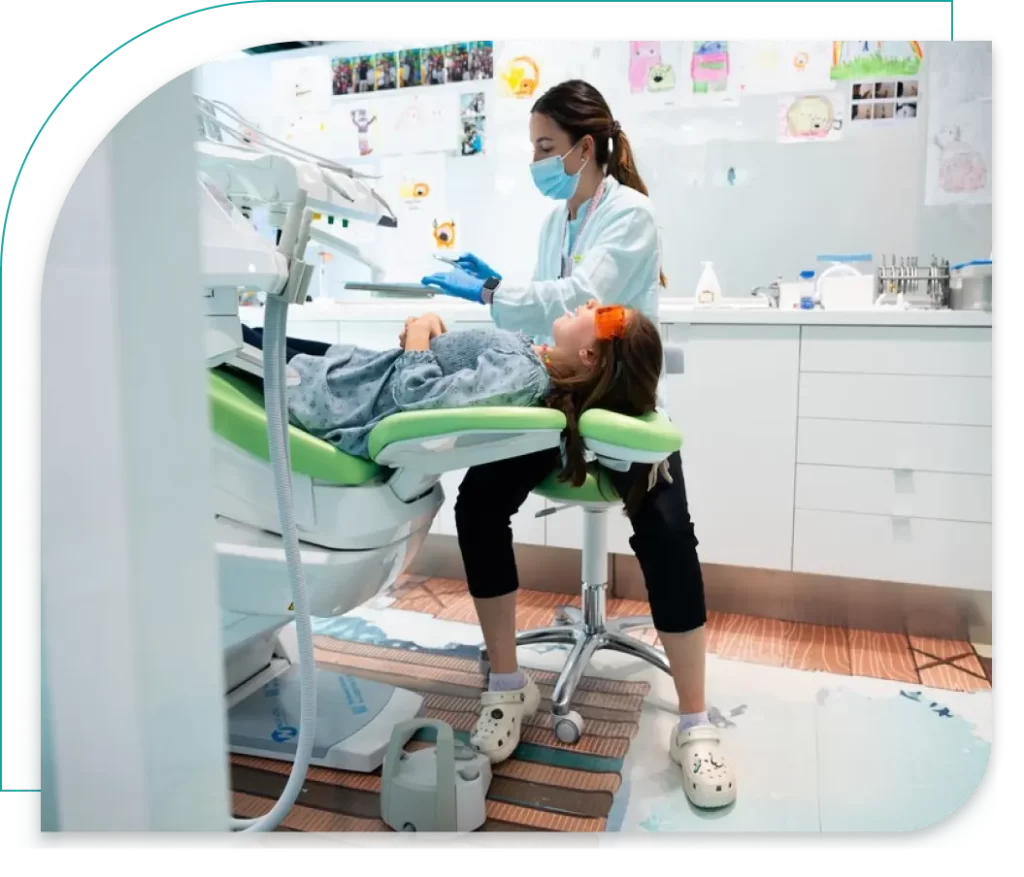
A first orthodontic check-up at the age of six is important, even if parents have not noticed any incorrect oral habits and their child’s teeth appear healthy and well aligned. Some dental or bite problems may not be easy to identify without an orthodontic assessment.

What problems can clear aligners for kids correct?

Clear aligners for kids can be used to correct different types of dental malocclusion. The main ones include:

  • Crowding: crooked or crowded teeth that do not have enough space to erupt correctly.
  • Diastemas: gaps between the teeth, particularly between the upper central incisors.
  • Crossbite: when the mouth is closed, the upper teeth bite inside the lower teeth.
  • Open bite: the upper and lower teeth do not come into contact when the mouth is closed.
  • Overbite: the upper teeth excessively overlap the lower teeth.

Advantages of clear aligners

Clear aligners offer several advantages for children, including:

  • Comfort: the aligners fit closely around the teeth and reduce friction against the oral mucosa (the soft tissue surrounding the teeth), helping to reduce the appearance of mouth sores or ulcers.
  • Oral hygiene: because the aligners are removable, they can be taken out for eating and brushing. This makes it easier to maintain thorough oral hygiene.
  • Effectiveness: when worn correctly for 22 hours a day, clear aligners can correct numerous bite and tooth alignment problems.
  • Appearance: clear aligners have minimal impact on the appearance of a child’s smile, as they are transparent and barely noticeable.
  • Predictability: tooth movement can be planned in advance and the expected final result can be simulated before treatment begins.
  • No food restrictions: children remove their aligners to eat, meaning they can continue to eat all types of food, unlike with braces.

What are the disadvantages of clear aligners for kids?

The main disadvantage of clear aligners for kids is that the outcome depends on the patient wearing them for 22 hours a day, so the child’s age and level of responsibility need to be taken into account. You should also be aware of the following:

  • Risk of losing them: because the aligners are removable, they can be misplaced relatively easily. This can happen, for example, if they are wrapped in a napkin instead of being placed in their case when removed for eating.
  • Pressure during the first few days: with each new set of aligners, it is normal to experience mild discomfort for one or two days.
  • Attachments: in many cases, small composite attachments are bonded to certain teeth to help achieve specific movements. Although these attachments are the same colour as the teeth, they are slightly more noticeable than the aligners themselves.

If the orthodontist believes that your child’s case would be better treated with braces, they will explain this during the first visit or orthodontic assessment, as choosing between clear aligners and braces requires an assessment of each child’s individual needs and lifestyle.

Tips to help your child wear their aligners successfully

The involvement of both the child and their family is important throughout treatment, particularly during the first few weeks while the aligners become part of your child’s daily routine. These tips can help:

  • Always keep the case handy: whenever the aligners are removed, they should be placed in their case, never wrapped in a napkin or put in a pocket.
  • Brush before putting them back in: this prevents food debris from becoming trapped between the teeth, which can contribute to tooth decay.
  • Only drink water while wearing the aligners: juice or milk can get underneath the plastic, leaving sugar in contact with the teeth and increasing the risk of tooth decay.
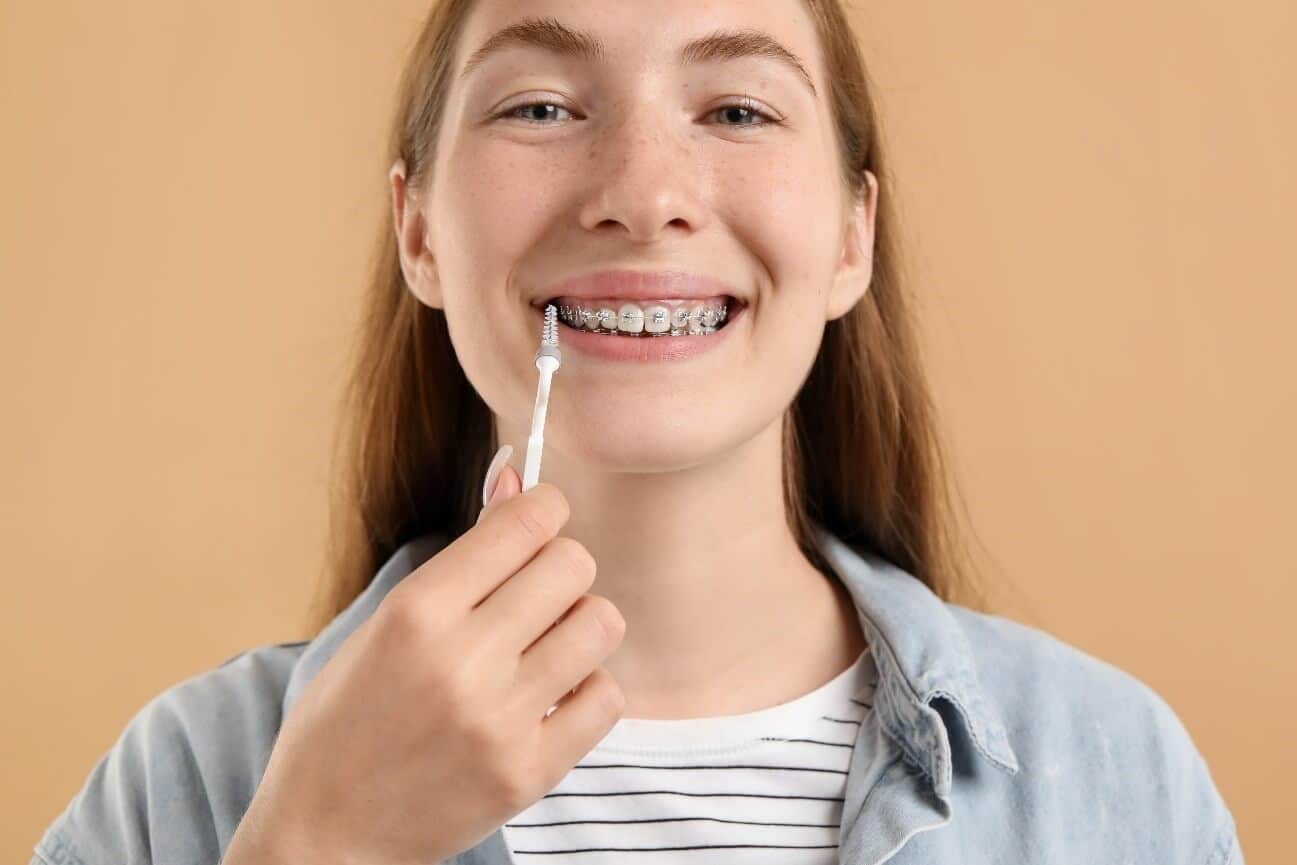
  • Clean them gently: use a suitable brush and cold or lukewarm water, never hot water, as this could deform the aligner material.
  • Change them on the scheduled day: every seven, ten or 14 days, depending on the orthodontist’s instructions. Marking the dates on a calendar can help you remember.
For clear aligners to work effectively, children need to wear them for around 22 hours a day.

How much do clear aligners for kids cost?

The price of clear aligners for kids is not fixed. It depends on the problem that needs to be corrected, the number of aligners your child requires and the duration of the treatment. For this reason, rather than giving you a figure that may not reflect your child’s individual case, we provide an exact price once we have carried out an assessment.


At Moonz, this assessment is carried out during a free first visit. Afterwards, we will provide you with a detailed quote based on your child’s needs and, if you prefer, you can spread the cost of treatment with our financing options.

Do you want to learn about Moonz?

Professionals dedicated to orthodontics for over 15 years.

Frequently asked questions

Clear aligners for children are recommended from around the age of six, during the mixed dentition stage. This is the transitional period when both primary (baby) teeth and permanent teeth are present.

During this stage, clear aligners can help create the necessary space in the mouth to facilitate the eruption of permanent teeth and help guide them into the correct position.

In general, aligners should not break, as they are made from a flexible and durable material. However, they are not indestructible and could break if they are not stored in their case or handled with appropriate care.

If one of the aligners breaks, contact the clinic as soon as possible to let the orthodontist know. In the meantime, the child should continue wearing the same aligner, even if it has cracked or split.

If your child loses their aligners, contact the clinic as soon as possible to inform the orthodontist. If necessary, the orthodontist will request a replacement set. In the meantime, your child should wear either the previous or the next set, depending on the orthodontist’s instructions.

For this reason, it is advisable to always keep the most recent set of aligners. If your child loses their current set, they may be able to temporarily use the previous set until the next change.

In general, clear aligners do not affect speech, as they fit closely around the teeth. However, during the first few days, it is normal for a child to need a short adjustment period while they get used to the sensation of wearing the aligners.

Content reviewed by our Moonz team

License Nº 28016181

Doctor Rodrigo Villaverde has a Degree in Dentistry from Universidad de Salamanca and is specialised in Orthodontics and Dentofacial Orthopaedics by Hospital Universitario Fundación Jiménez Díaz. He is certified in the main clear orthodontic systems such as Invisalign and Spark. Also, he is a member of the Spanish Orthodontic Society (SEDO).

★★★★★★★★★★4.92/5
+5,460 reviews

Find a Moonz centre near you

Your location
Leave us your information and we will call you back: